Reference materials
Valves for each type of equipment and facilities in semiconductor manufacturing plants
Equipment and facilities in semiconductor manufacturing plants
Semiconductor manufacturing relies on a wide variety of equipment and facility systems, each requiring highly reliable fluid control. Valves play a critical role in maintaining process performance, safety, and purity throughout these applications. This page introduces the valves used in key semiconductor manufacturing equipment and facilities. Click the links below to learn more about each category.
▶ Deposition process equipment (Single-wafer deposition process equipment, Batch deposition process equipment, Thermal process equipment)
▶ Etching process equipment
▶ Cylinder cabinet
▶ Gas purifier system
▶ Liquid delivery system
▶ Valve manifold box for liquid chemicals
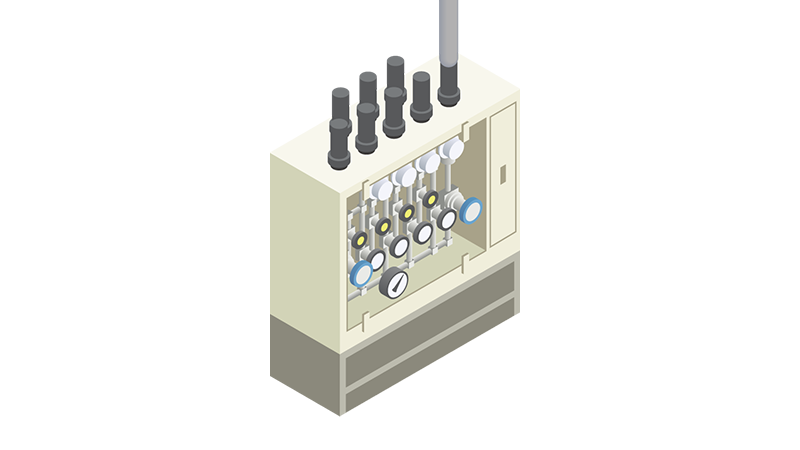
▶ Valve manifold box for gas
▶ Abatement system
▶ Utility piping (primary gas supply)
Products Used in Deposition Process Equipment (Single-Wafer Deposition Process Systems, Batch Deposition Process Systems, and Thermal Processing Equipment)
In semiconductor manufacturing, deposition processes are used to form thin films such as insulating, conductive, and barrier layers on wafers, creating the structures required for semiconductor devices. Technologies including CVD, PVD, ALD, and epitaxy (Epi) are utilized to produce high-quality films with precise control of thickness, composition, and uniformity.
What Is Deposition Process Equipment?
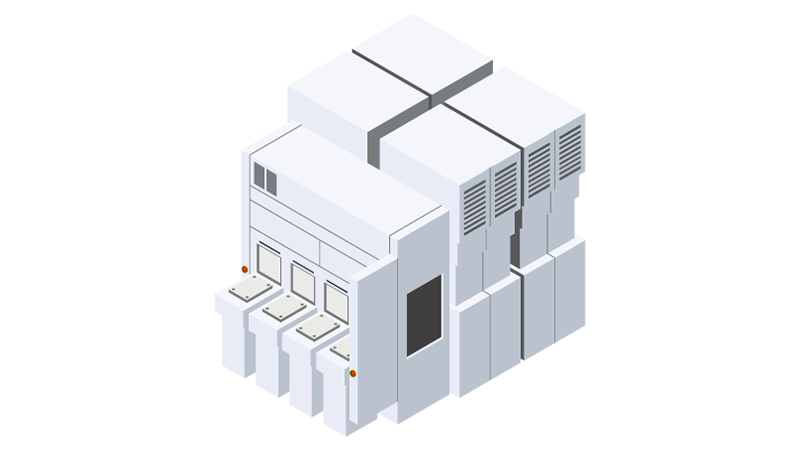
Deposition equipment encompasses a wide range of systems used to form thin films on wafer surfaces. These systems include CVD technologies such as LPCVD and PECVD, which utilize chemical reactions; PVD technologies such as sputtering and evaporation, which rely on physical processes; ALD systems that deposit films one atomic layer at a time; and epitaxy (Epi) and MOCVD systems used for crystalline film growth.
Because film quality directly impacts many subsequent manufacturing processes, deposition is considered one of the most critical stages in semiconductor fabrication, influencing both device performance and production yield. As a result, deposition equipment requires precise process control and highly stable operation over extended periods.
Valves are among the key components that support equipment performance and reliability. Here, we introduce our product lineup for use in a wide variety of deposition equipment and systems.
Single-wafer deposition process equipment

Batch deposition process equipment
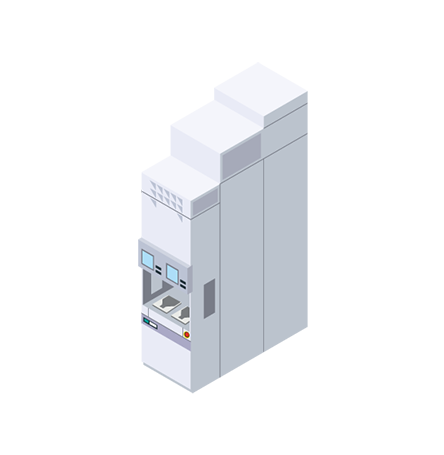
Thermal process equipment
Requirements for valves used in deposition equipment
Deposition processes require precise control and switching of high-purity precursor gases, process gases, and purge gases. In addition, maintaining a clean process environment and stable exhaust performance is essential for achieving consistent film quality and process stability. Therefore, valves and fittings used in deposition equipment must offer the following key characteristics:
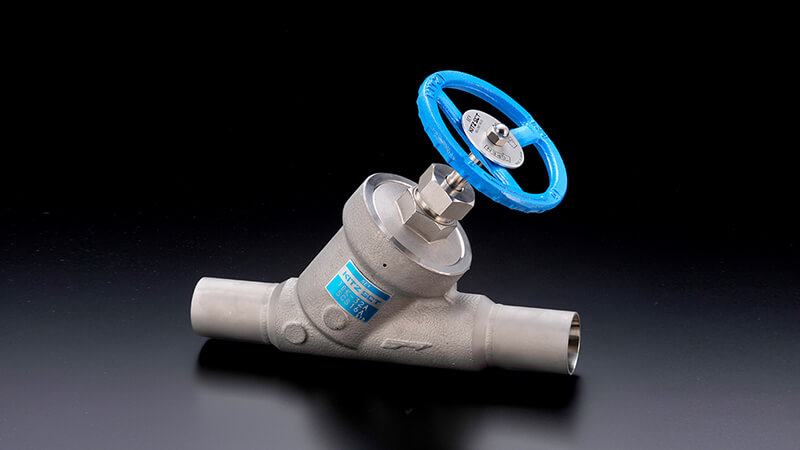
- ultra-low leakage
- Low dead volume and low outgassing
- High corrosion resistance
- Fast response and cycle durability
- Maintainability
Examples of our products used in deposition equipment
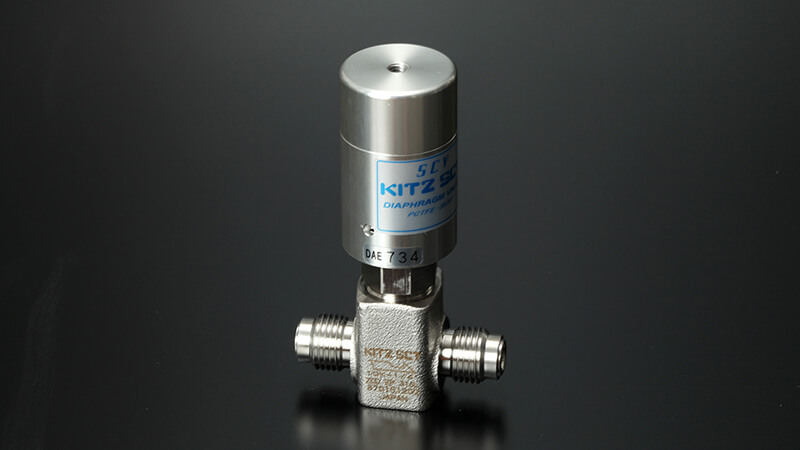
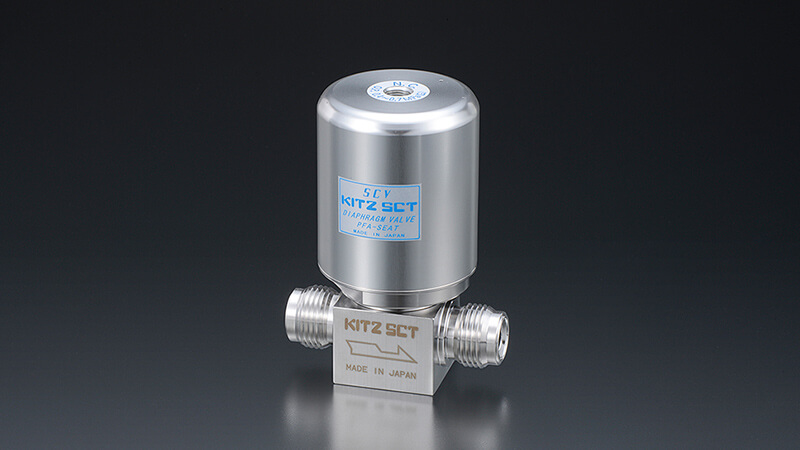
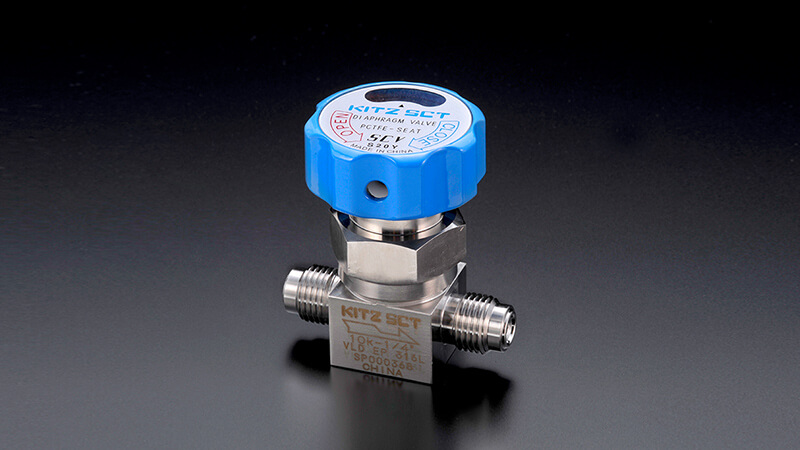
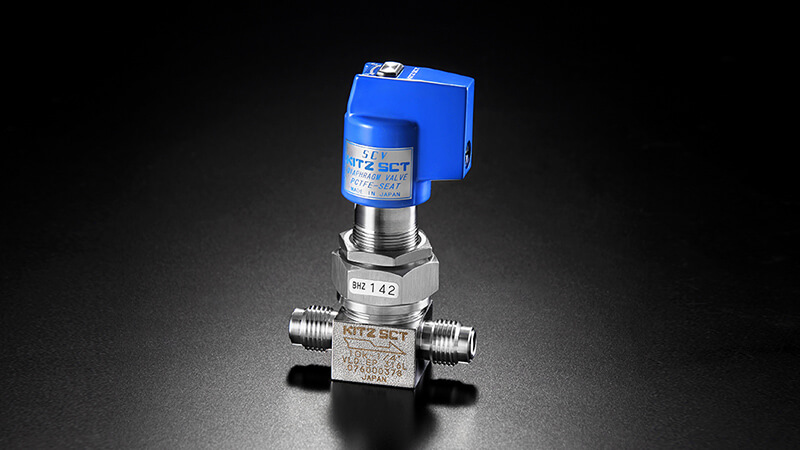
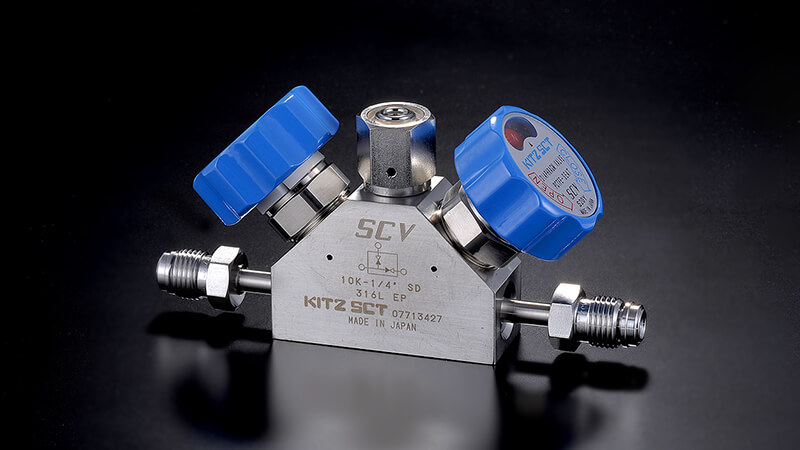
Ultra-high-purity gas valves
Deposition equipment requires high-precision switching and control of precursor gases, process gases, and purge gases while maintaining the highest levels of gas purity. Because thin-film quality is highly sensitive to contamination and residual gases, ultra-high-purity gas valves must provide ultra-low leakage, low dead volume, and fast response characteristics to ensure stable and reliable process performance.
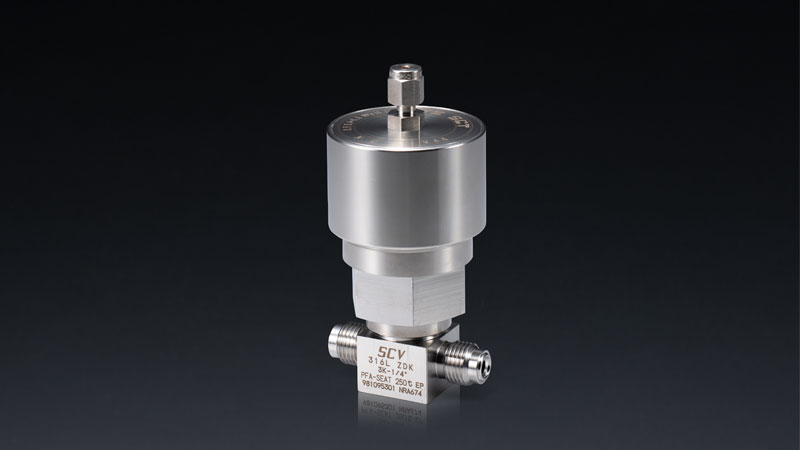
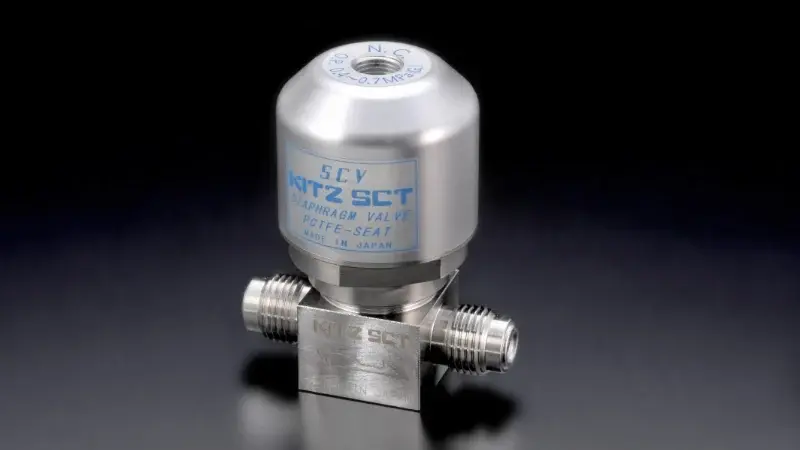
High-temperature diaphragm valves (KD-S)
High-temperature environment submersible valves
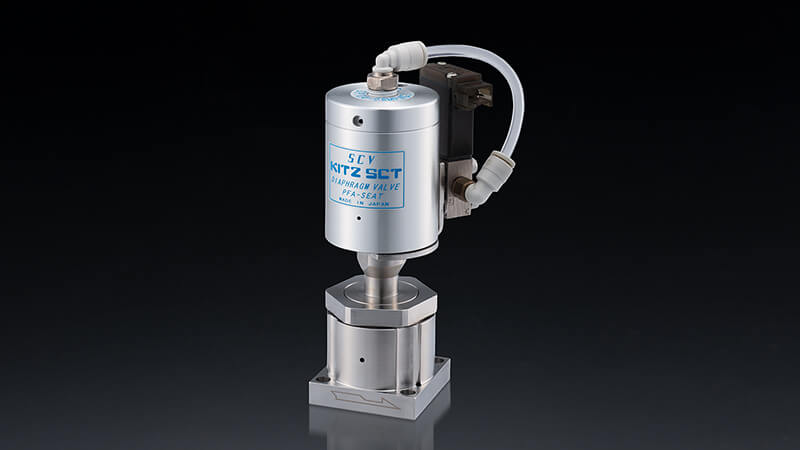
High-speed, high-durability diaphragm valves for ALD (TDF8)
High-speed, high-durability valves
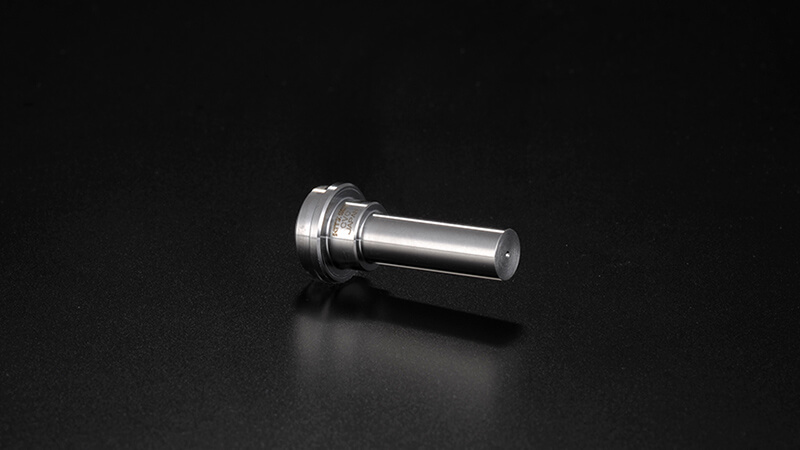
Ultra-high-purity gas fittings
Deposition equipment requires high-purity connections for precursor gases, process gases, and purge gases while maintaining the highest levels of gas purity. Because impurities and trace leaks can adversely affect film quality and create safety risks, ultra-high-purity gas fittings with ultra-low leakage and low outgassing characteristics are required.
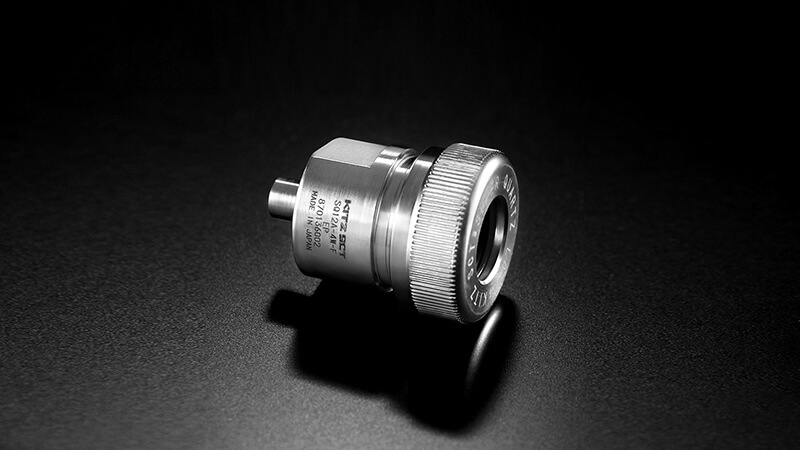
Ultra-high-purity gas metal gasket surface seal fittings (CVC)
Metal gasket surface seal fittings
Vacuum exhaust valves
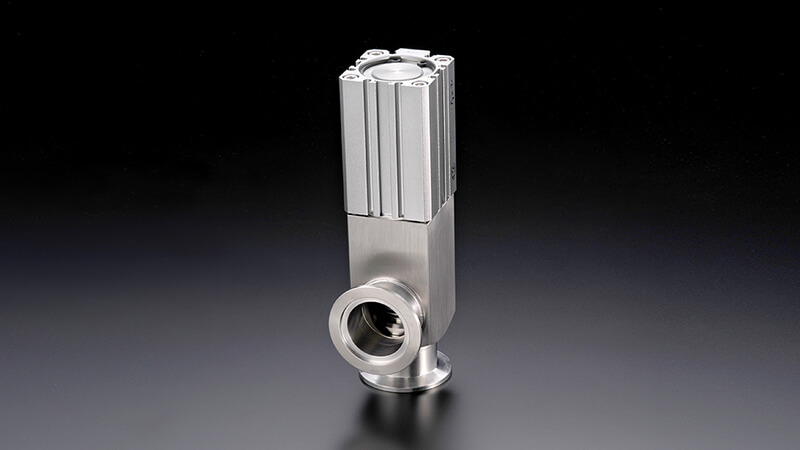
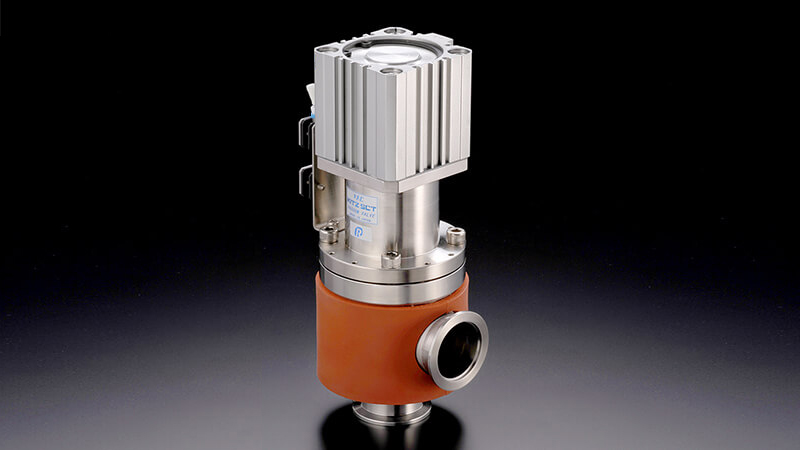
In deposition processes that require a vacuum environment, vacuum valves with excellent sealing performance are essential for chamber evacuation, isolation, and pressure control. To achieve uniform thin-film deposition, precise pressure control must be maintained throughout each process while preventing leakage and contamination. For this reason, vacuum valves and pressure control valves with excellent durability, reliable sealing performance, and low particle generation are widely used.
L-type isolation valves with a heater (IVBH)
Heatable L-type vacuum bellows valves
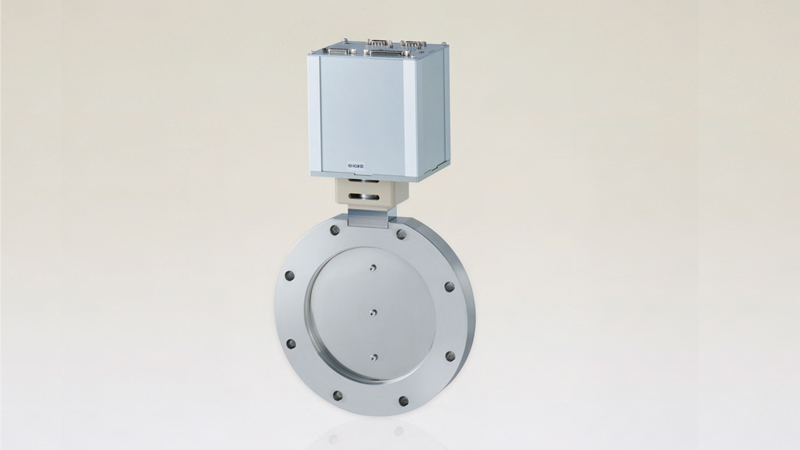
APC(Automatic Pressure Control) butterfly valves with a heater (PCA)
APC butterfly valves
APC(Automatic Pressure Control) butterfly valves with Auto PID (PCVA)
Vacuum butterfly valves for pressure control and isolation
Non-sealing type APC(Automatic Pressure Control) butterfly valves with Auto PID (PCVB)
Vacuum butterfly valves for pressure control
Process gas valves
In deposition equipment, the purity and stability of process gases are critical to achieving consistent film quality. To prevent contamination and maintain gas integrity, diaphragm valves for high-purity applications are required to provide high-purity performance, high leak integrity, and excellent corrosion resistance.
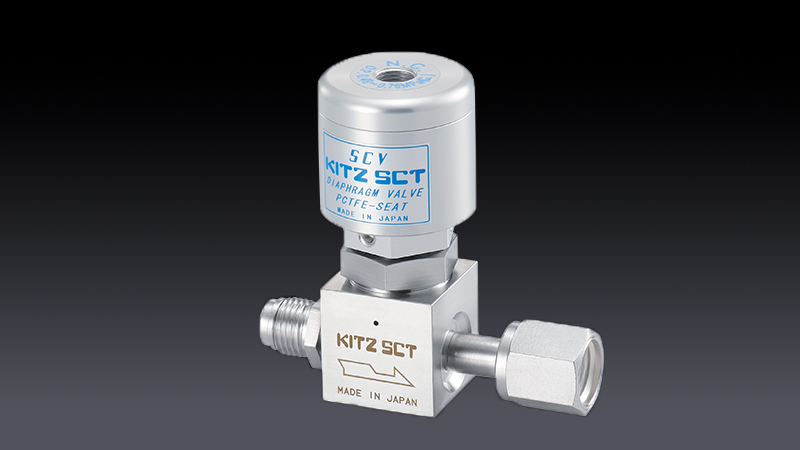
Seat-replaceable valves for process gas (LD)
Seat-replaceable valves for material containers /canisters and delivery system
Seat-replaceable valves for process gas (KD-E)
Seat-replaceable valves for material containers /canisters and delivery system
High-temperature process material valves (ZD)
High-temperature seat-replaceable valves
Integrated products
Deposition equipment requires high-precision switching and control of precursor gases, process gases, and purge gases while maintaining the highest levels of gas purity. The following valve and unit products are used to ensure reliable gas delivery and stable process performance.
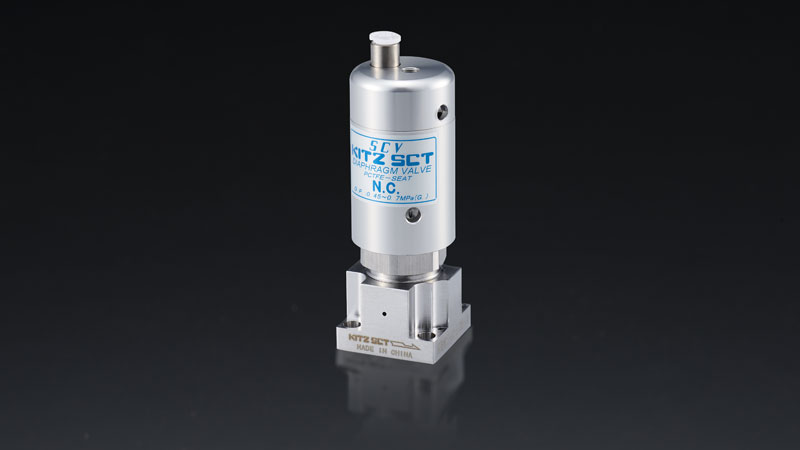
Surface mount valve (NTD)
Surface mount type diaphragm valves
C-Seal connection
Role of etching process equipment and valves used
Etching is a key front-end semiconductor manufacturing process that works in conjunction with deposition processes to create semiconductor device structures. Using a patterned photoresist mask, selected portions of thin films formed during deposition are removed, enabling the precise transfer of circuit patterns onto the wafer.
What Is Etching Process Equipment?
Etching equipment selectively removes thin films using a photoresist pattern formed by photolithography as a mask. Etching technologies are broadly classified into dry etching (plasma etching) and wet etching, each used for different materials and process requirements.
Requirements for valves used in dry etchers
Valves used in dry etching equipment must provide performance characteristics that support high process reliability, including plasma resistance, excellent corrosion resistance, low dead volume, low outgassing characteristics, ease of maintenance, superior sealing performance, high vacuum leak tightness, and long service life.
- Plasma resistance and high corrosion resistance
- Low dead volume and Low outgassing
- Maintainability
- Long service life
- ultra-low leakage
Examples of our products used in dry etchers
Ultra-high-purity gas valves
Because dry etching equipment uses a variety of process gases, ultra-high-purity gas valves are used in gas delivery lines. These valves play a vital role in maintaining process stability, as ultra-low leakage performance and excellent corrosion resistance are essential for handling highly reactive and corrosive gases.
Surface mount valves (NTD)
Surface mount type diaphragm valves
C-Seal type connection
Vacuum exhaust valves
Vacuum valves are used to maintain stable chamber pressure in etching equipment, helping to ensure consistent process gas concentration and plasma conditions.
APC(Automatic Pressure Control) butterfly valves with Auto PID (PCVA)
Vacuum butterfly valves for pressure control and isolation
Non-sealing type APC(Automatic Pressure Control) butterfly valves with Auto PID (PCVB)
Vacuum butterfly valves for pressure control
Role of cleaning process equipment and valves used
Cleaning process equipment removes impurities such as photoresist residues, particles, metallic contaminants, and native oxide formed during processes including film deposition, lithography, and etching, ensuring wafer surfaces remain in optimal condition.
Since these contaminants significantly degrade device performance and yield, cleaning is repeatedly performed in the sequence of cleaning → deposition → lithography → etching → cleaning.
Cleaning precision and reproducibility are critical, especially at advanced nodes, where even a single particle can cause defects.
What Is Cleaning Process Equipment?
Cleaning process equipment is designed to remove contaminants such as particles, metallic contaminants, organic contaminants, chemical residues, and etching byproducts from wafer surfaces, providing the level of cleanliness required for subsequent manufacturing processes. Wet cleaning using chemicals or deionized (DI) water is the most widely used method, with cleaning solutions such as SC-1, SC-2, diluted hydrofluoric acid (DHF), and ozonated water commonly employed.
Depending on the type of contamination, including particles, metallic contaminants, organic contaminants, and photoresist residues, the cleaning process must effectively remove impurities without damaging fine device patterns.
Requirements for valves used in cleaning process equipment
PFA valves used to supply cleaning chemicals are required to provide excellent chemical resistance to acids, alkalis, and solvents, as well as high-purity performance and low metal leaching. In addition to durability under frequent valve operation and stable flow control, a compact, space-saving design is also important to accommodate installation constraints within equipment.
- High chemical resistance
- low particle generation
- low metal leaching
- Low liquid hold-up
- Space-saving
Examples of our products used in cleaning process equipment
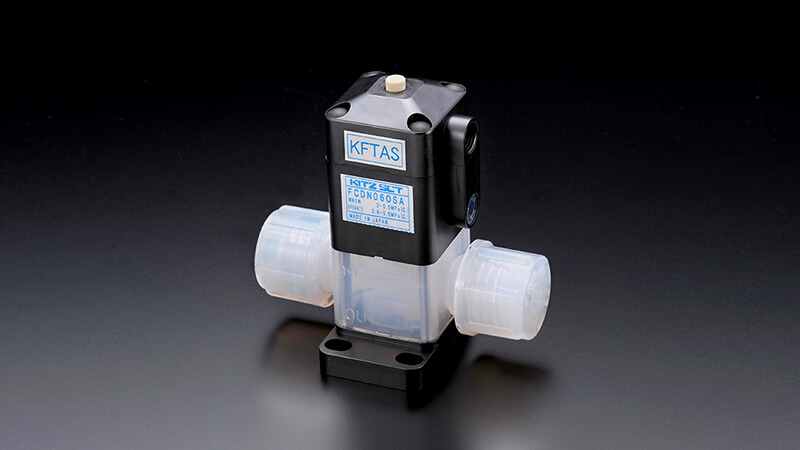
Thermoplastic valves
PFA valves are widely used in cleaning process equipment because they provide excellent chemical resistance and low metal ion extractables, enabling reliable handling of the aggressive chemicals used in semiconductor manufacturing.
Thermoplastic fittings
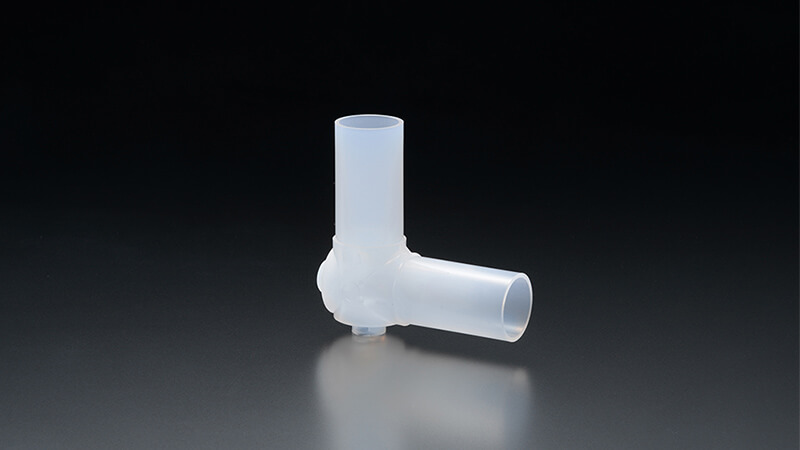
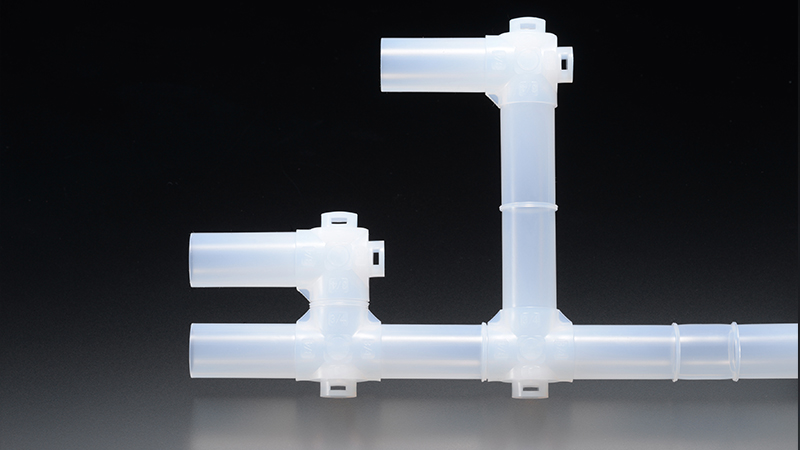
PFA fittings with excellent chemical resistance and low metal ion extractables are used in cleaning process equipment to maintain chemical purity and prevent leakage throughout the fluid delivery system. Among them, fusion-weld fittings offer a compact design and reduced dead volume, contributing to space savings and stable equipment operation.
Integrated products
Valves used in equipment and facilities supporting the deposition process
The deposition process in semiconductor manufacturing requires numerous types of equipment to handle process gases and chemicals safely and with high-purity. Cylinder cabinets are designed for safe storage and stable supply of high-pressure and toxic gases, while the chemical delivery systems (CDS)
supply chemicals used for cleaning and surface preparation
under specified conditions. Also, VMBs and chemical VMBs serve as distribution units
that reliably distribute gases and chemicals to multiple process tools, while gas purifiers remove trace impurities to ensure high-quality film deposition. In addition, abatement systems detoxify hazardous gases generated during processes to protect the environment and ensure safety. These important types of equipment that support the deposition process are described in detail below.
What Are Cylinder Cabinets?
Cylinder cabinets are designed to safely house and provide a stable supply of high-purity process gases used in deposition equipment. Deposition processes require the use of various hazardous gases, including pyrophoric, toxic, and corrosive gases such as SiH₄, NH₃, and HCl. To ensure safe operation, gas cylinders are stored in fire-resistant cabinets equipped with automatic gas shut-off systems, exhaust systems, and gas leak detection functions. Within the cabinet, gas supply lines, pressure regulators, and valves are maintained under controlled conditions to ensure a stable gas supply while minimizing environmental influences and contamination risks. This contributes to process stability, operational safety, and the maintenance of gas purity required for high-quality thin-film formation.
Requirements for valves used in cylinder cabinets
Cylinder cabinets provide a safe and stable supply of corrosive, combustible, and high-purity process gases to semiconductor process tools. Valves are among the most critical components in gas delivery systems, serving key functions such as maintaining gas purity, preventing leakage, providing emergency shutoff, and ensuring safe operation. The reliability of these valves directly impacts both process stability and equipment safety. In particular, dependable valve performance is essential for switching, purging, pressure relief, and emergency shutoff operations.
- High corrosion resistance
- Low dead volume
- Low leakage
- Reliable shutoff
- Long-term durability
Examples of our products used in cylinder cabinets
Ultra-high-purity gas valves
Low-pressure and high-pressure valves are used in cylinder cabinets to control the flow of flammable, corrosive, and high-pressure process gases. These valves are required to provide excellent corrosion resistance, ultra-low leakage, and high-purity performance to meet the stringent requirements of semiconductor manufacturing. Safety and maintainability are also critical considerations, making features such as Lockout/Tagout (LOTO) capability and pressure relief functions essential.
Diaphragm valves with relief function (KD)
Valves with overpressure prevention function
High-flow, high-pressure diaphragm valves (NRD)
High-pressure diaphragm valves
Ultra-high-purity gas fittings
Cylinder cabinets must maintain the purity of high-purity process gases supplied to semiconductor process tools while preventing gas leakage. Even trace amounts of contamination or leakage can adversely affect process performance and create safety risks. Therefore, ultra-high-purity (UHP) gas fittings with ultra-low leakage and low outgassing characteristics are essential to ensure both process integrity and safe operation.
Ultra-high-purity gas metal gasket surface seal fittings (CVC)
Metal gasket surface seal fittings
What Are Semiconductor Gas Purifier Systems?
Gas purifiers remove trace impurities from high-purity process gases supplied to semiconductor process tools, helping to maintain consistent gas purity. In deposition and etching processes, even trace levels of moisture, oxygen, metallic contaminants, and hydrocarbons can degrade reactive gases and adversely affect process performance and film quality. Therefore, process gases are purified to ppb- and ppt-level impurity concentrations before being delivered to the equipment. Within the purifier, adsorbents, catalysts, and filtration media operate under optimized conditions to ensure a stable supply of gas with consistently high-purity while minimizing the effects of environmental variations. This contributes to improved process consistency, long-term gas purity stability, and enhanced operational safety, making gas purifiers essential components in semiconductor manufacturing gas delivery systems.
Requirements for valves used in semiconductor gas purifier systems
Gas purifiers remove trace impurities from high-purity process gases supplied to semiconductor process tools, helping to maintain a consistent level of gas purity. In advanced semiconductor manufacturing processes, even ppt-level impurities such as moisture, oxygen, and hydrocarbons can adversely affect process yield and product quality. Therefore, gas lines within the purifier must provide exceptional leak tightness and cleanliness.
Valves are critical components for maintaining gas purity, performing key functions such as preventing leakage, stabilizing pressure during purification processes, and ensuring safe operation. To meet these demanding requirements, they must offer excellent chemical resistance, low dead volume, ultra-low leakage, and high-purity performance.
- Low contamination
- Low dead volume
- Low leakage
- Reliable shutoff
- Long-term durability
Examples of our products used in gas purifiers
Ultra-high-purity gas valves
In gas purifiers, valves must provide ultra-low leakage, high-purity performance, and excellent corrosion resistance to maintain ppt-level gas purity. Within the purification line, even trace amounts of contamination can adversely affect process yield and product quality. Therefore, reliable valve switching, shutoff performance, and long-term durability are essential to ensure stable operation and consistent gas purity.
Ultra-high-purity gas fittings
Gas purifier fittings are required to provide high-purity performance, low particle generation, low outgassing characteristics, and excellent corrosion resistance.
Ultra-high-purity gas metal gasket surface seal fittings (CVC)
Metal gasket surface seal fittings
Ultra-high-purity gas welding fittings (SCM/SCL/SCF)
weld fittings for automatic welding
What Are Liquid Delivery Systems?
Liquid delivery systems supply precursor chemicals used in deposition processes to semiconductor process tools with high-purity, precise concentration control, and stable flow rates. These systems integrate storage, transfer, temperature control, and pressure regulation functions to maintain precursor quality and ensure consistent process performance. By providing stable and reliable chemical delivery, they contribute to improved process consistency.
Requirements for valves used in liquid delivery systems
Liquid delivery systems provide a safe and stable supply of liquid precursor materials used in deposition processes. By converting liquid precursors into vapor through heating and bubbling methods, they deliver process gases to semiconductor process tools with precise control. These systems integrate precursor storage, vaporization, temperature and pressure control, flow regulation, and emergency shutoff functions to ensure stable and reliable operation.
- Low leakage
- High-temperature resistance
- High chemical resistance
- Low dead volume
- Long-term durability
Examples of our products used in liquid delivery systems
Ultra-high-purity gas valves
Ultra-high-purity gas valves used in liquid delivery systems are required to provide ultra-low leakage and excellent chemical resistance to maintain the quality and purity of liquid precursor materials and vaporized process gases. These valves play a critical role in preventing contamination and ensuring stable process conditions in semiconductor manufacturing.
Seat-replaceable valves for process gas(LD)
Seat-replaceable valves for material containers /canisters and delivery system
Valves for process gases and chemical delivery
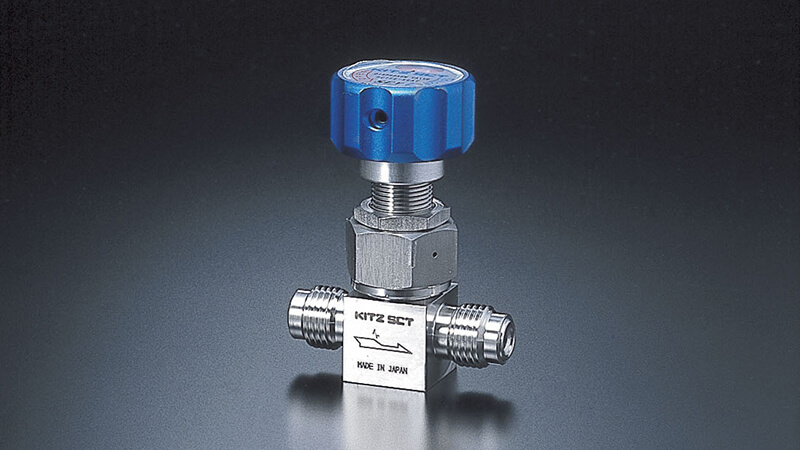
Vaporized process gases supplied from liquid delivery systems require precise temperature control to prevent condensation and solidification. Therefore, valves used in these systems must provide excellent heat resistance, high flow capacity, and stable Cv performance to ensure reliable gas delivery and stable process conditions.
High-temperature diaphragm valves (KD-S)
High-temperature environment submersible valves
High-temperature process gas valves (ZD/ZD-K)
High-temperature environment submersible seat-replaceable valves
Ultra-high-purity gas fittings
Ultra-high-purity gas fittings used in liquid delivery systems are required to have low leakage and high chemical resistance to maintain the chemical stability of liquid precursor materials and vaporized process gases.
Ultra-high-purity gas metal gasket surface seal fittings (CVC)
Metal gasket surface seal fittings
What Are Chemical Valve Manifold Boxes (VMBs)?
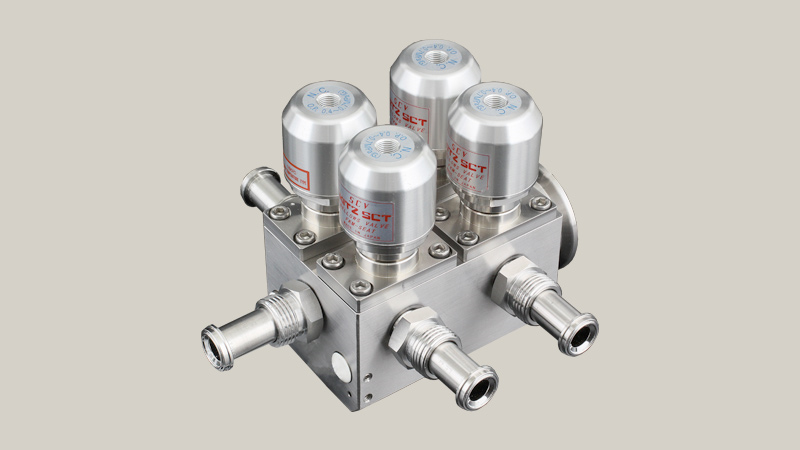
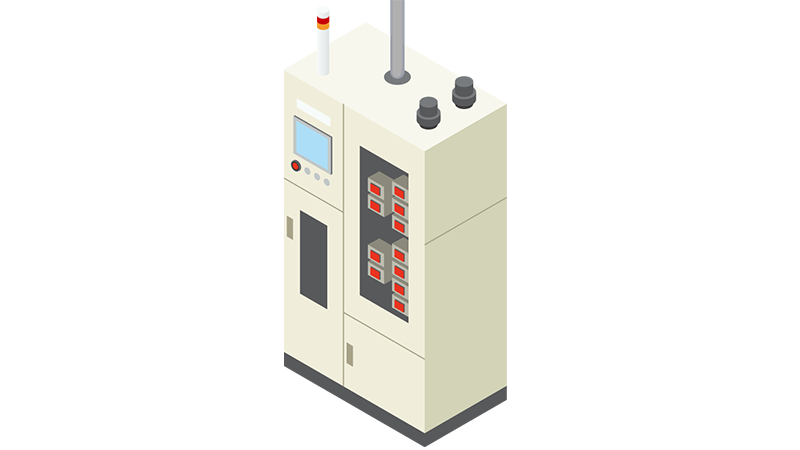
Chemical VMBs are distribution units that provide a clean and stable supply of chemical solutions to multiple semiconductor process tools. They play a critical role in preventing leakage, switching chemical flow paths, and isolating process lines. By ensuring reliable chemical distribution while maintaining excellent chemical resistance and cleanliness, they contribute to process stability and the safe operation of chemical delivery systems.
Requirements for valves used in chemical valve manifold boxes(VMBs)
Valves used in chemical VMBs are required to provide excellent chemical resistance, high-purity performance, and low metal ion extractables to ensure the safe and clean distribution of various chemical solutions to multiple semiconductor process tools. In addition to using materials capable of withstanding prolonged exposure to acids, alkalis, and solvents, these valves must provide ultra-low leakage and reliable switching and shutoff performance to prevent chemical misdelivery and backflow.
Furthermore, a low-dead-volume design is essential for minimizing fluid retention within the flow path, helping to maintain chemical purity and improve purge efficiency. As a result, valve performance plays a critical role in the stable operation of the entire chemical delivery system. A compact design is also important for installation in space-constrained equipment and facilities.
- Low leakage
- Low contamination
- Low dead volume
- High chemical resistance and low metal leaching
Examples of our products used in chemical valve manifold boxes(VMBs)
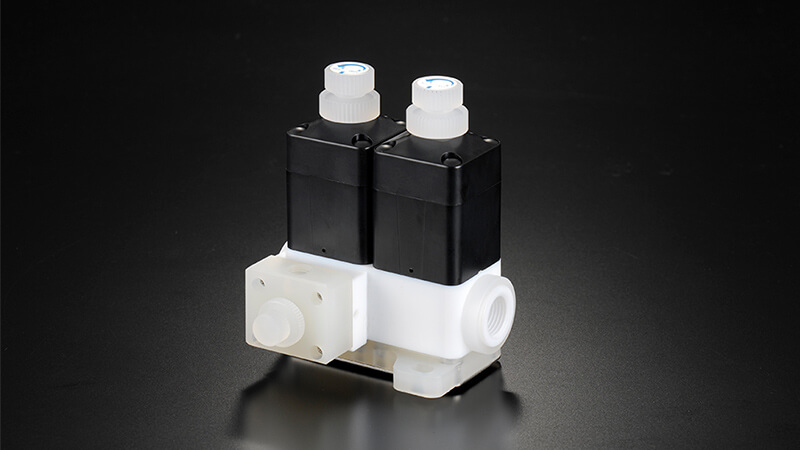
Thermoplastic valves
Chemical VMBs use PFA valves with excellent chemical resistance and low metal ion extractables to ensure the stable distribution of high-purity chemical solutions. These valves feature a high-purity, low-dead-volume design that helps maintain chemical purity, while reliable shutoff and switching performance ensures stable and safe operation of the chemical delivery system.
Thermoplastic fittings
Chemical VMBs use PFA fittings with excellent chemical resistance and low metal ion extractables to ensure the stable distribution of high-purity chemical solutions. Fusion-weld PFA fittings provide a leak-tight connection through butt welding of the fitting and tubing, eliminating the need for retightening and minimizing the risk of fluid leakage. In addition, their compact design helps reduce installation space requirements and contributes to efficient equipment layout.
What Are Gas Valve Manifold Boxes (VMBs)?
Gas VMBs are distribution units that provide the safe and reliable delivery of high-purity and process gases to multiple semiconductor process tools. They contribute to system safety and process stability by enabling gas source switching, line isolation, and secure shutoff, helping to prevent leakage and reduce the risk of gas misdelivery.
Requirements for valves used in gas valve manifold boxes (VMBs)
Valves used in gas VMBs are required to provide high leak tightness and high-purity performance to ensure the safe and clean distribution of various process and utility gases to multiple semiconductor process tools. In addition to using materials that can withstand a wide range of gases, including corrosive and reactive gases, these valves must provide ultra-low leakage and reliable switching and shutoff performance to prevent gas misdelivery and backflow.
Furthermore, a low-dead-volume design is essential for minimizing residual gas during gas changeover, helping to maintain gas purity and improve purge efficiency. As a result, valve performance is a key factor in the stable and reliable operation of the entire VMB system.
- Low leakage
- Low contamination
- Low dead volume
Examples of our products used in gas valve manifold boxes (VMBs)
Ultra-high-purity gas valves
Gas VMBs use ultra-low-leakage valves to ensure the safe and reliable distribution of high-purity gases. High-purity performance, reliable switching and sealing performance, corrosion resistance, and long-term stability are essential valve requirements.
Ultra-high-purity gas fittings
Gas VMBs use ultra-low-leakage, high-purity fittings to ensure the clean and safe distribution of high-purity gases.
Ultra-high-purity gas metal gasket surface seal fittings (CVC)
Metal gasket surface seal fittings
Ultra-high-purity gas weld fittings (SCM/SCL/SCF)
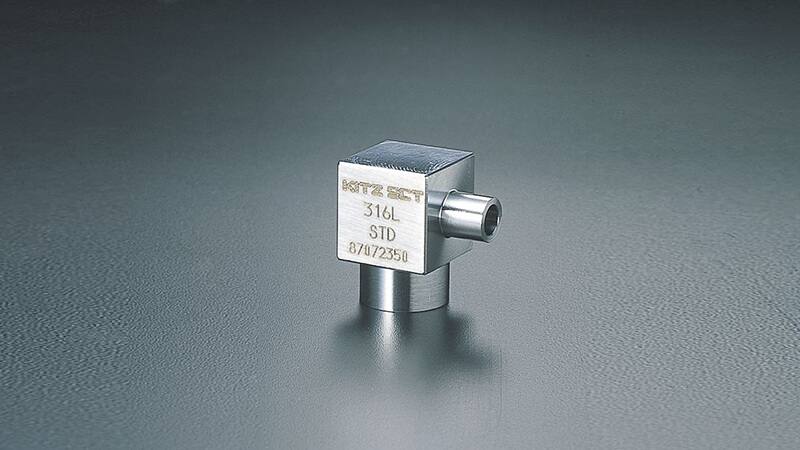
Weld fittings for automatic welding
What Are Abatement Systems?
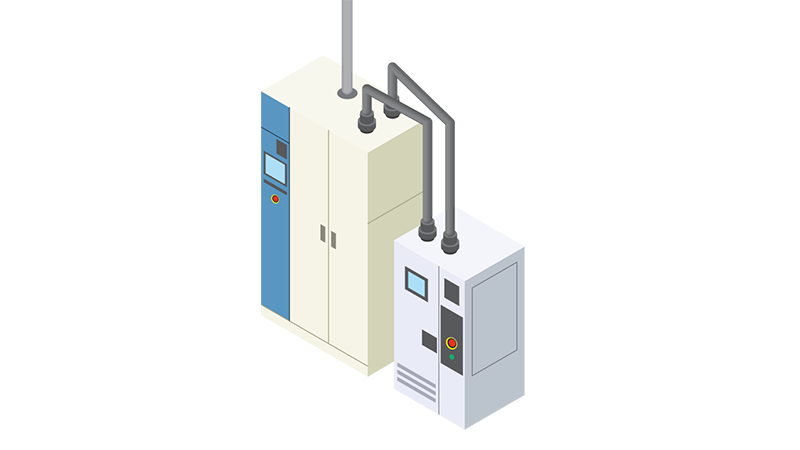
Abatement systems treat and safely discharge hazardous gases generated during semiconductor manufacturing, including corrosive, combustible, toxic, and greenhouse gases. These systems reliably decompose, neutralize, and remove waste gases and reaction by-products using technologies such as combustion, thermal decomposition, wet scrubbing, dry adsorption, catalytic reactions, and plasma treatment, depending on the characteristics of the gases being treated. By reducing toxicity, minimizing fire and explosion risks, lowering greenhouse gas emissions, and eliminating odors, abatement systems help facilities comply with environmental regulations and emission standards.
Requirements for valves used in abatement systems
Valves used in abatement systems are required to provide excellent corrosion resistance and chemical resistance to safely and reliably handle high concentrations of corrosive gases and chemicals over extended periods of operation. In addition, because even trace leakage is unacceptable in these applications, superior sealing performance and reliable switching and shutoff performance are essential.
- High chemical resistance
- High corrosion resistance
- Long-term durability
Examples of our products used in abatement Systems
Vacuum exhaust valves
Abatement systems require valves that safely handle and discharge hazardous gases generated by semiconductor process equipment.
Full bore ball valves with a heater (BRWHN)
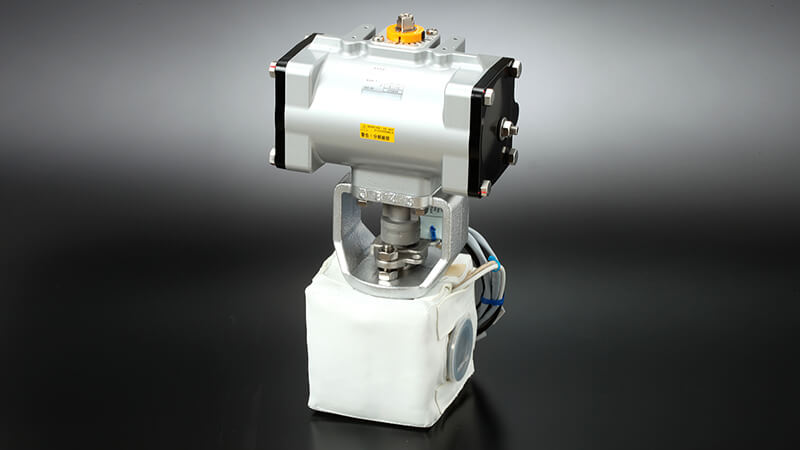
Heatable double acting ball valves
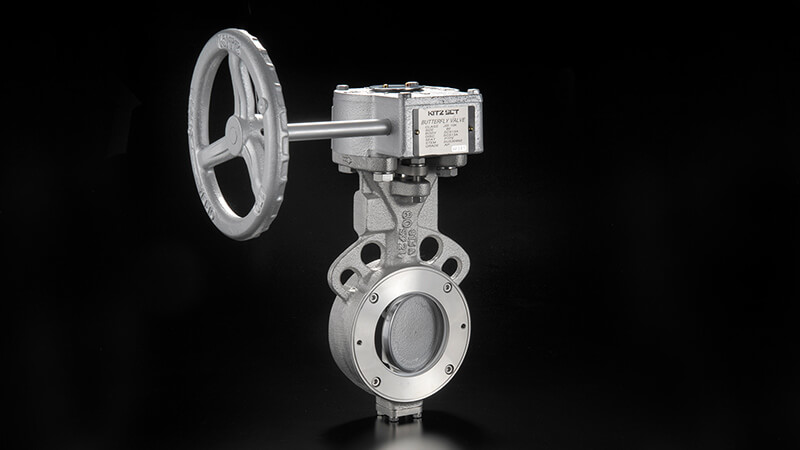
What Is Utility Piping (primary gas supply)?
Utility piping (primary gas supply) refers to the gas distribution network that supplies bulk gases such as N₂, O₂, and Ar to facility systems, including VMBs, throughout a semiconductor manufacturing plant.
Requirements for valves used in utility piping (primary gas supply)
Utility piping (primary gas supply) requires valves that provide a safe and stable supply of high-purity bulk gases throughout the semiconductor manufacturing plant.
- High flow
- High-purity
- Long-term durability
Examples of our products used in utility piping (primary gas supply)
Utility valves
Others
-
You can download the KITZ SCT General Product Catalog.
-
You can download the new product catalog.
-
You can download the CAD,Drawings .
-
We will explain the product specifications and features in the video.
-
Cv/flow Rate Calculation Tools
You can utilize Cv/flow rate calculation tools.
-
Valves by Equipment and Facilities
You can find valves by equipment type used in semiconductor manufacturing.